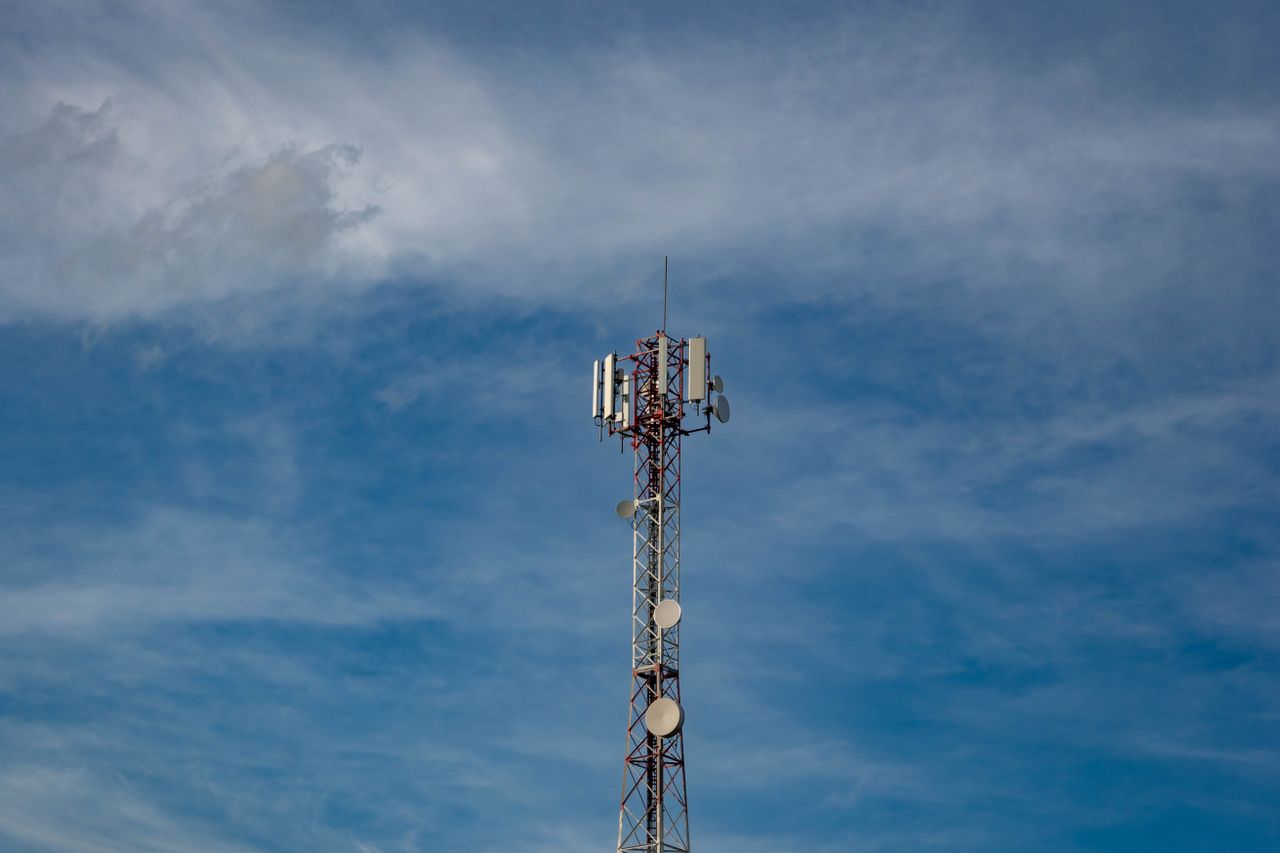




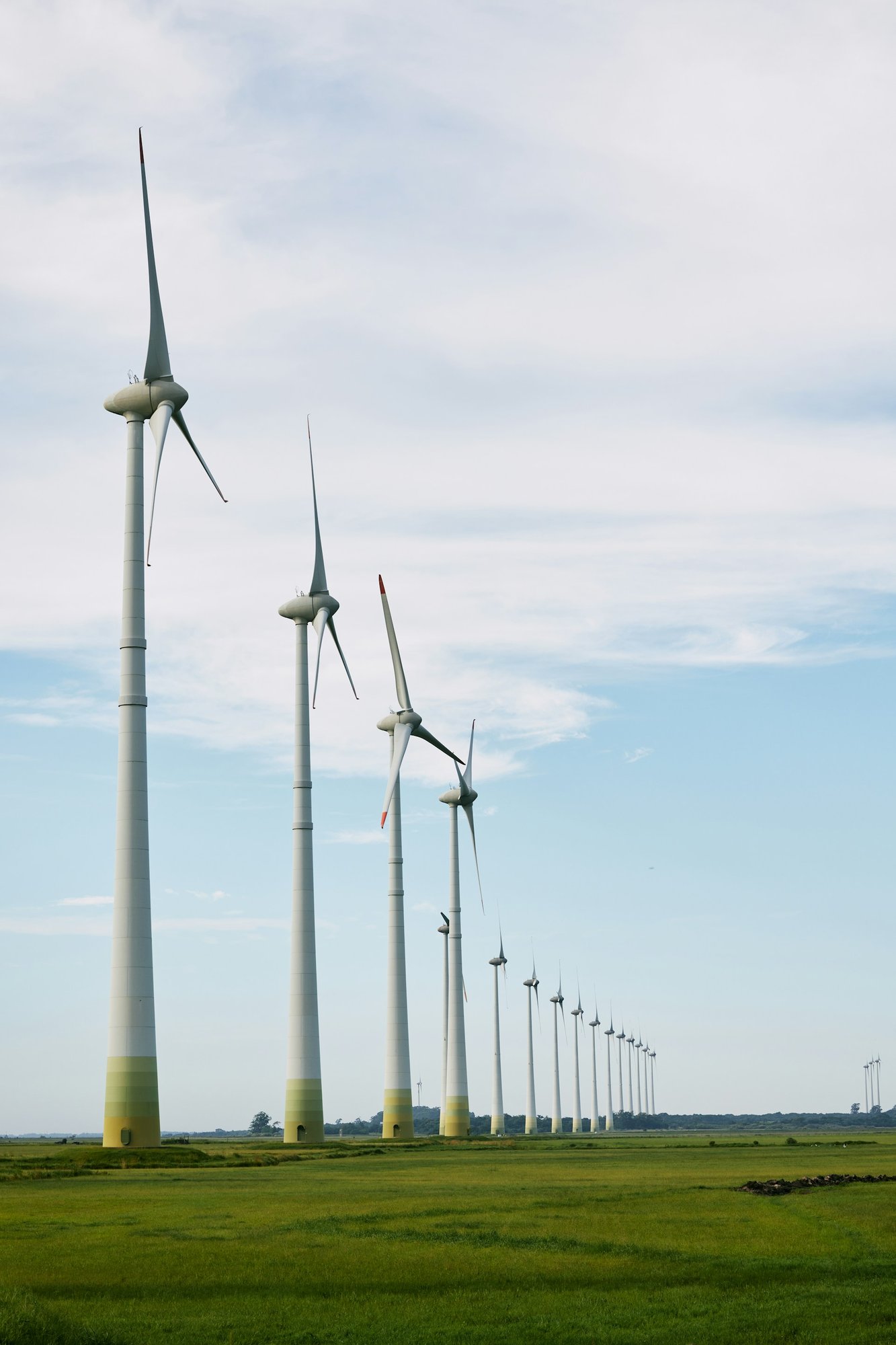


This September, XMP is heading to two of the UK’s major industry events, bringing together audiences from telecoms and renewable energy. First up is Connected Britain at ExCeL London on 9–10 September, followed by Solar & Storage Live UK at the NEC Birmingham on 22–24 September.
The sectors may be different, but there’s plenty of common ground in the operational challenges behind them. Both depend on work happening across multiple sites and reliable information moving between field teams, contractors and the people responsible for delivery.
When that information is incomplete, delayed or difficult to access, the impact can be felt long after the work on site is finished. And that’s the conversation XMP will be taking to both events – how better information from the field can make delivery easier to manage from initial work through to handover and ongoing operations.
Connected Britain 2026
- Dates: 9–10 September 2026
- Location: ExCeL London
- Find XMP: Stand S3
Connected Britain brings together organisations from across the UK connectivity sector to discuss the future of digital infrastructure, from network deployment to the technology and operating models supporting it.
For the teams responsible for delivering that infrastructure, one recurring challenge is getting accurate site records from the field into the final handover without adding unnecessary administration.
The XMP team will be discussing how better site information can support smoother telecoms delivery and handover – from capturing evidence in the field through to producing the records customers and project teams need at completion.
Photos, site records, completion evidence and other project information need to be captured consistently before being reviewed and shared with customers. If that process depends on disconnected forms, spreadsheets or manual follow-up, teams can end up spending time reconstructing what happened on site after the work is complete.
Better handovers start on site
An effective handover isn’t just an end-of-project task. It depends on the quality of the information being collected throughout delivery.
XMP’s Smart Forms give field teams a structured way to capture the information required on site, while Handover Packs (HOP) help turn that information into organised output for project teams and customers.
Bringing those stages closer together can reduce the administrative gap between completing the work and proving that it has been completed correctly.
See Robin Conway on the Startup Stage
XMP CEO & Founder Robin Conway will also be taking to the stage at Connected Britain.
At 14:50 on Wednesday 9 September in Theatre 6, Robin will pitch XMP as part of the Startup of the Year Award 2026, within the event’s AI Britain programme.
See Robin’s slot and the wider programme on the Connected Britain 2026 Agenda.
Solar & Storage Live 2026
- Dates: 22–24 September 2026
- Location: NEC Birmingham
- Find XMP: Stand S38
Solar & Storage Live UK brings together organisations involved across residential, commercial and utility-scale solar and storage projects. The event’s focus spans the journey from design and installation through to ongoing operation.
The XMP team will be exploring how better site information can support renewable projects from installation onwards – including audits, compliance records and the information needed to manage assets and ongoing operations more effectively.
That lifecycle creates its own operational challenges. Installation records need to reflect what has actually happened on site. Audits and inspections need reliable evidence, while asset and operations teams need access to information they can continue using after the initial work is complete.
From installation evidence to ongoing oversight
The records created during installation shouldn’t lose their value once the job is finished. Consistent site records can support subsequent inspections, help demonstrate compliance and provide useful context for teams responsible for assets over their operational life.
Smart Forms can provide a structured way to capture audits and installation information, while XMP’s wider platform connects this with areas such as asset and project management.
The value comes from making information captured on site useful beyond the individual form or task that created it.
From better site information to better delivery
Whether the work involves telecoms infrastructure or renewable energy, the underlying question is similar – can teams trust the information coming back from site and use it when they need it?
When they can’t, project teams can end up chasing missing evidence, handovers take longer and operational teams are left working from incomplete records.
Connecting what happens on site with the wider people, projects and processes behind delivery creates a clearer operational picture. For telecoms teams, that can mean a smoother route from field capture to handover. In renewables, it can create better continuity between installation and ongoing asset management.
If you’re attending either event, come and speak to XMP about how information moves through your operation today and where a more connected approach could make delivery easier.
Frequently asked questions
Field data collection is the process of capturing information where work is actually taking place, rather than entering or reconstructing it later from the office.
Depending on the project, this could include site records, photographs, inspection results, asset information and completion evidence. For field-based industries such as telecoms and renewables, accurate data collection gives project and operational teams a more reliable view of work happening across multiple locations.
Improving field data collection starts with making information easier to capture consistently at the point of work.
Digital forms can standardise what teams are asked to record and reduce reliance on paper, spreadsheets or retrospective data entry. Connecting that information with wider operational systems also means it can be used without teams manually transferring or reconciling it afterwards.
A handover pack is the collection of records and evidence provided when completed work is transferred to the customer or operational team.
The exact requirements depend on the project, but handover documentation can include evidence of completed work, inspection or test information, photographs and other records needed to demonstrate the final state of the site.
In telecoms, capturing this information consistently throughout delivery can make it easier to produce the required handover without reconstructing records at the end of the project.
Accurate field data gives asset teams a clearer record of what has been installed, inspected, maintained or changed across individual sites.
When that information is captured consistently and connected to wider asset records, teams can make better-informed decisions without relying on fragmented paperwork or reconstructing site history later. This is particularly valuable across distributed infrastructure such as telecoms networks and renewable energy projects.
.jpg)