






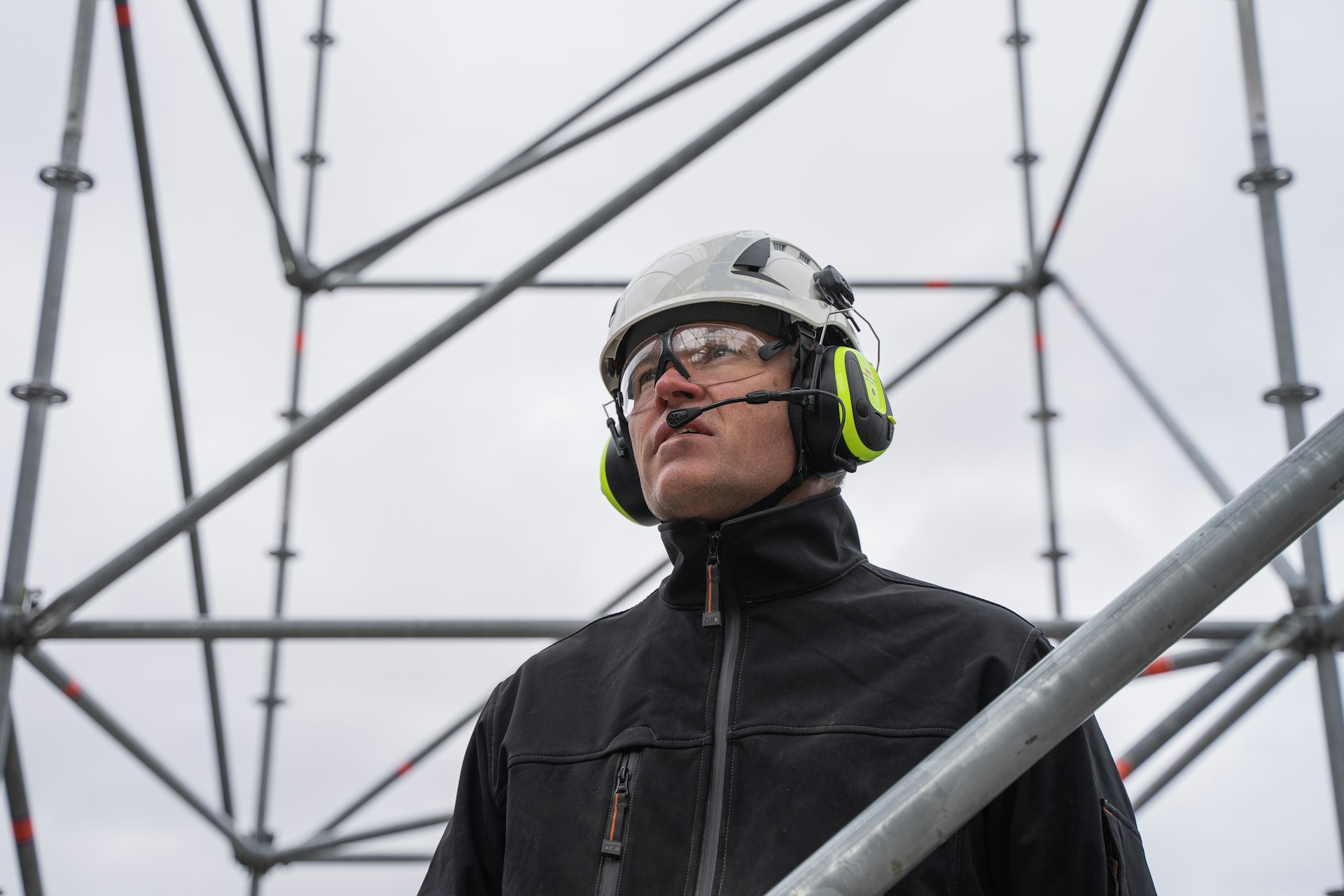
The core problem: Poor telecom project transparency is not caused by teams failing to report, but by the way each operational sector works differently. Scattered data across multiple spreadsheets, calls, emails and disconnected systems leads to inconsistent reporting and management.
What telecom project transparency actually means
Transparency is a word that is used over and over again in project management fields - but in telecom delivery, its operational meaning goes beyond a simple status dashboard or a weekly report.
A transparent telecom project is one where any authorised stakeholder can see the current status of projects without having to make a phone call, send an email or chase for an update.
This definition is imperative, as it sets a measurable bar - a project is not transparent because it has a dashboard, but when the data in that dashboard is accurate, current and trusted.
In practice, transparency in telecom delivery requires visibility across five dimensions:
1. Milestone status - are tasks on track, delayed or blocked, and who owns each one?
2. Field execution - what is actually happening onsite, updated in real time by the people doing the work?
3. Document and permit control - are approvals, surveys and sign-offs captured and accessible?
4. Vendor and subcontractor progress - are third parties reporting to the same standards as internal teams?
5. Exceptions and escalations - are blockers surfaced quickly, with a clear path to resolution?
Why do telecom projects lack transparency?
Telecom delivery environments are structurally harder to keep visible than other project types. This is usually to do with the combination of remote sites, multi-party workforces, regulatory approvals, and fast-changing scopes, which in turn, create conditions where fragmentation is often the default, rather than the exception.
PMI's guidance on project governance identifies fragmented data, unclear roles, and inconsistent reporting as the most persistent causes of project visibility failure. In telecom delivery, these conditions are structural rather than incidental, and they consistently produce four root causes:
1. Data is fragmented across different systems and formats
Status updates live in spreadsheets; site notes are buried in emails or WhatsApp threads; permits are in shared drives; vendor progress is reported in different templates and cycles. No single view exists because no single system has been designed to hold everything together. When a project leader wants an accurate picture, they have to collate everything manually, which takes time and leaves room for error.
2. Field teams and vendors operate on different reporting standards
Internal teams often have structured reporting processes - but subcontractors and teams in the field often don't. The result is that field execution data, the most critical information for any infrastructure, arrives late, inconsistently, or not at all. According to PMI's research on project governance critical success factors, stakeholder diversity and inconsistent communication protocols are among the leading causes of delivery delays in complex, multi-party environments.
3. Governance and escalation paths are unclear
When project scopes change, approvals stall, or blockers emerge onsite, the question of who decides what to do next is often unanswered. Without defined escalation paths, problems sit in inboxes rather than getting resolved.
4. Legacy workflows make updates slow and unreliable
Many telecom operations still rely on manual reporting cycles built around weekly check-ins and end-of-day summaries. By the time information reaches the project manager, it is often hours or days out of date. In fast-moving delivery environments, that lag is enough to turn a manageable issue into a missed milestone.
Best practices that fix telecom delivery visibility
Improving transparency in telecom projects is not just a technology problem, but an operating model problem. These best practices help address each root cause directly, and whilst software does assist in amplifying them, it isn’t the sole fix to improve delivery visibility.
Tip one: Standardise governance before reporting
Teams should be defining milestones, ownership and escalation pathways at the start of every project. By creating a clear statement of work that specifies the key details, roles and responsibilities, everyone involved has a shared reference point for the entire duration of the project.
An upfront governance framework can be defined as foundational: clear deliverables, responsibilities, and change-control processes decided from day one leave no room for interpretation, giving every team member and vendor a shared reference point.
Tip two: Create one reporting cadence across all parties
Internal teams, contractors and vendors should all report on the same cycle, using the same format. This means agreeing on a rhythm that works for everyone - whether daily, twice-weekly or every Monday morning. Unified communication protocols are a key foundation element for multi-party project delivery.
Tip three: Move field updates off paper and into real-time
Site-level progress should be captured digitally, at each stage of completion, by those conducting the work. Mobile forms, digital checklists and structured field reporting tools remove the reporting lag that comes with hand-written data input, which is more than often what makes field data unreliable. When a technician completes a task on-site, that status should update immediately in a digital system, not hours, days or weeks later.
Tip four: Make dashboards decision-ready
Reporting should be configured to help the team surface the latest blockers and indicate what dependencies need to be addressed first. The goal is for a project leader to open a reporting dashboard and be able to quickly identify what’s on track, what’s not, and who they need to speak to find a resolution.
What to look for in affordable telecom delivery visibility software
Once your operating model is in place, the right software then enables transparency and scalability. Whilst affordability is a factor in all business decisions, this has further reach than just cost; a platform that takes six months to implement, requires constant manual data entry, or only services executive reporting is expensive, regardless of its initially affordable price tag.
The table below outlines the capabilities that matter most and explores why it matters for the entire project to be completed successfully.
|
Capability |
Why it matters for telecom transparency |
|
Mobile field reporting |
Enables real-time site updates from technicians and field crews, eliminating reporting lags. |
|
Role-based dashboards |
Gives each stakeholder a view relevant to their individual responsibilities. |
|
Workflow automation |
Removes manual handoffs from approval and reporting processes, reducing the risk of updates falling through the gaps. |
|
Document & permit management |
Keeps surveys, sign-offs and compliance records in one accessible location. |
|
Vendor & contractor access |
Brings third parties into the same reporting environment so all progress data is held to the same standard, regardless of role. |
|
Audit trail & change log |
Records every update, change and decision so the project scope is trackable, and accountability gaps are visible after the fact. |
|
Integration capability |
Connects project data with workforce scheduling, asset records and operational systems to avoid parallel data sets. |
A platform built for telecom operations should handle all of these capabilities in a single workflow and not require separate tools to get the job done efficiently.
How to choose the right telecom operations tool
Most software shortlists often start with brand familiarity or a ranked list from a review site. For telecom delivery visibility, that approach consistently produces tools that look good in a demo, but underperform in the field.
Instead of looking at a list of the top-ranked tools, start with your workflows where visibility is currently breaking down, and go from there.
|
Do: |
Don't |
|
Start with your biggest visibility failure point. |
Start with a vendor’s feature list and work backwards to find your individual problems. |
|
Prioritise platforms that unify project management, workforce data and field reporting in one singular system. |
Choose tools that only improve executive-level reporting while leaving operational data fragmented. |
|
Evaluate implementation effort and time-to-value alongside license cost. |
Treat the cheapest option as the most affordable if it requires heavy configuration or parallel systems to run alongside it. |
|
Shortlist based on the fit for multi-party, field-based delivery environments. |
Rely on tools designed for office-based project teams and adapt them to telecom delivery. |
|
Ask vendors how field crews and subcontractors interact with the platform. |
Assume that a strong office tool will automatically solve visibility in the field. |
The right platform is not the one with the longest feature list - it’s the one that closes the specific gaps in your team that cause visibility loss in your current delivery model.
XMP’s telecoms capability is designed with this in mind, helping your team both in-office and onsite report as one unified unit. Book a demo today to see how you can transform your operations with XMP.

.jpg)