


The bridge from 5G to 6G
6G holds a lot of promise: a network that can sense its own surroundings, bouncing signals off objects, mapping what’s there. Nokia suggests it could help sense unseen traffic around a corner. It could be used to sense survivors of an event like an earthquake. It’s a step beyond just communicativitalons.
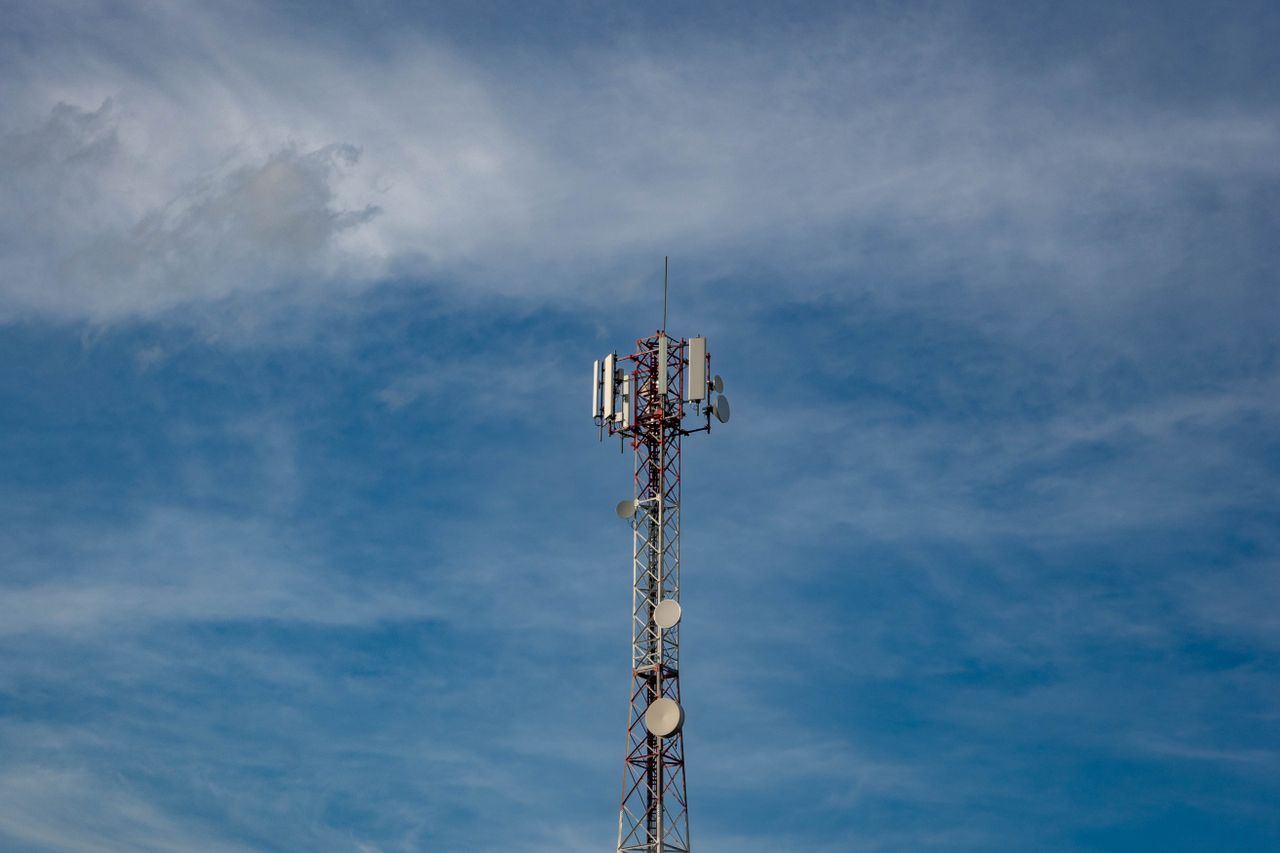
Meanwhile, 5G has yet to cover all the UK, with rural areas lacking coverage. 6G will need new infrastructure. Existing masts and rooftops won’t cut it: 6G requires denser network for its higher frequency. More sites, more infrastructure, more equipment, more teams – there’s a lot to handle.
But with the knowledge of 6G coming, telecom businesses have an opportunity to get their processes ready and meet the rollout head on.
As we explored in our blog on the state of telecoms in 2026, 5G rollout and improvement are still a priority for network operators. They’re investing in densification to improve capacity and service, upgrading architecture and infrastructure. And that all means continued work on existing and new sites to extend coverage to beyond just the urban parts of the UK.
While that’s still ongoing, 6G will require small cells and sub-terahertz infrastructure. Wider spectrum usage means new hardware and antennas. 6G will need more power than previous generations, so energy efficiency is crucial. It’ll be a much denser network so infrastructure needs to be ready to maintain coverage and performance.
What are the operational challenges facing 5G and 6G rollouts?
As you might expect, 5G and 6G rollouts will require a significant scaling of everything involved in deploying mobile networks…
1. More sites, more often
There’s no getting away from the fact that 6G will require heavy investment in new hardware, infrastructure, and sites. Its frequency, while promising low latency for transmitting large amounts of data, has a limited range, and so requires many base stations for optimal coverage.
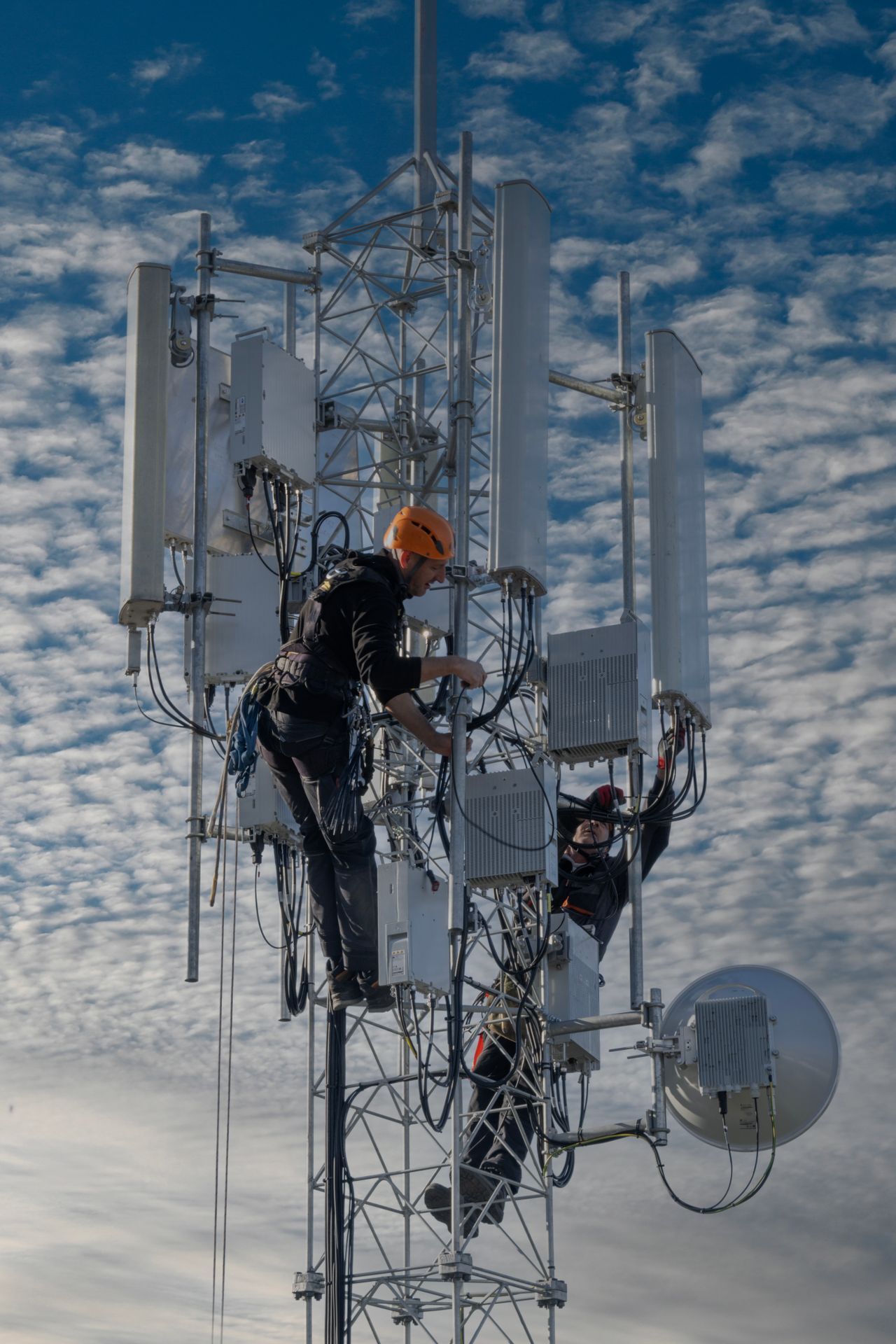
From new towers to small cells installed in venues like stadiums, to bigger MIMO antennas, network delivery teams will have plenty to manage. And each new site needs survey, installation, inspection, handover, as well as potential revisits and ongoing maintenance. That’s a lot to keep track of, and delivery teams should get ready for that now.
2. More teams, more skills
All those sites, surveys, installations, and so on, will need more engineers, whether in-house or contractors. Businesses will, more than ever, need to keep track of who is doing what and where. New hardware will need new skills to install and maintain them, which will come with more certifications to manage.
Managing this kind of distributed workforce will be difficult without a single source of truth. (Learn more about workforce management in our blog: How to improve telecom contractor management with digital platforms.)
3. More hardware, more assets
Operators will need to manage current assets for 4G and 5G networks as well as the new assets and sites required for 6G. Staying on top of up-to-date records is vital to plan upgrades and maintenance efficiently, and to avoid costly revisits.
4. More data, more data management
Operators already manage a huge amount of data and 6G rollout will only add to that. Communication and transferring data from field teams to back-office teams needs to be seamless. Otherwise, site sign-offs and handovers get delayed, critical information ends up missing, and projects slow to a crawl. Getting teams aligned no matter how many there are, or wherever they are, will be vital tosmooth rollouts.
The opportunities in 6G rollout
For operators and delivery teams that can meet these challenges, the commercial opportunities are clear. Demand for faster, more reliable connectivity is growing and organisations need to show they can fulfil it.
So, what can be done to get ready for 6G now?
The operational foundations that make 5G delivery successful are what will make 6G delivery successful. Getting the principles right now will make lives much easier in the future.
1. Get clear on site and asset management
Whether upgrading existing sites or installing on new ones, having a clear picture of where your teams are working, and the status of each site and its assets, is crucial. One source of truth here can make everything from planning servicing to surveys much easier and quicker.
2. Make sure worker profiles are up to date
Get your workforce ready for the new era of connectivity with the right training and track their certifications. Expired training can hold up site delivery. Holding this kind of information in one place will also highlight any gaps in delivery teams for 6G rollout.
3. Build data workflows now
In the future of continued 5G rollout and upgrading with 6G not far off, disparate spreadsheets and disconnected project management tools won’t cut it. Businesses can’t afford to lose time to lengthy processes such as uploading photos manually into a spreadsheet and emailing it or transferring information from a site instruction to a calendar in separate tools. Getting processes streamlined for sharing data now among teams will be non-negotiable for scaling operations.
One platform for every step of the rollout
Businesses will have more to manage than ever and that’s where XMP is here to help.
Purpose-built for the telecoms industry by those who have worked in it, the platform is designed to create a single source of truth for every piece of information that goes into delivering sites and projects.
Sites and assets can be managed and reviewed without resorting to different spreadsheets created by different people held on different folders. Workforce certifications can be monitored, with expired certs flagged up. It enables real-time capture and sharing of field data straight to back-office teams, speeding up workflows and site handovers.
One client told us that getting information for handover packs could take up to 24 hours – but with XMP, that information is now received within 10 minutes. With foundations like that in place, organisations will be ready to deliver confidently when 6G is here.
As CEO & Founder Robin puts it, "Having personally built the UK's first operational 5G sites in 2019, I'm excited by the prospect that XMP will support delivery of the world's first 6G sites when rollout commences after the technology is defined."
Want to learn how XMP can support your operations? Book a demo today.
Frequently asked questions
The standards for 6G are expected to be complete in 2029, according to the timeline confirmed by 3GPP earlier in 2026. Commercial rollout is expected to follow, though exact dates for UK networks haven’t been announced. In the meantime, 5G rollout and upgrades are continuing, so now is the time for network delivery teams to get their processes ready.
6G builds on 5G in three main ways. It’s expected to add sensing, so networks can map their surroundings as well as carry data. It will use higher frequencies, which offer low latency but a shorter range. And it will need a much denser network, with more small cells, base stations and equipment than 5G.
XMP creates a single source of truth for everything involved in delivering telecom sites and projects. Teams can manage sites and assets, monitor workforce certifications, and capture field data in real time, sending it straight to back-office teams. That means faster workflows and quicker site handovers, without relying on separate spreadsheets and disconnected tools.
The foundations that make 5G delivery successful will also support 6G. Start by getting a clear view of your sites and assets. Keep worker profiles and certifications up to date so expired training doesn’t hold up delivery. And build streamlined data workflows now, replacing spreadsheets and manual processes, so information can move easily between field and back-office teams as your operations scale.